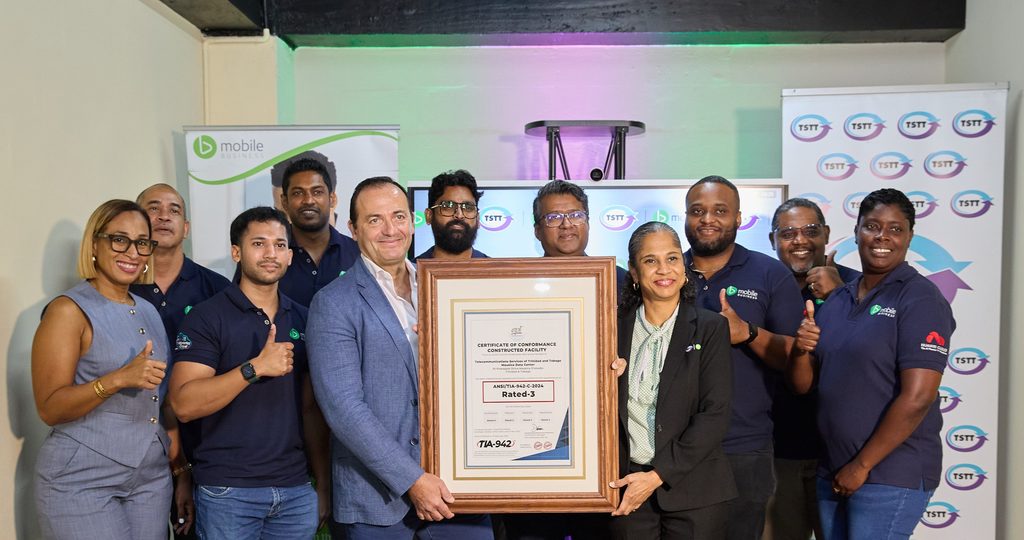
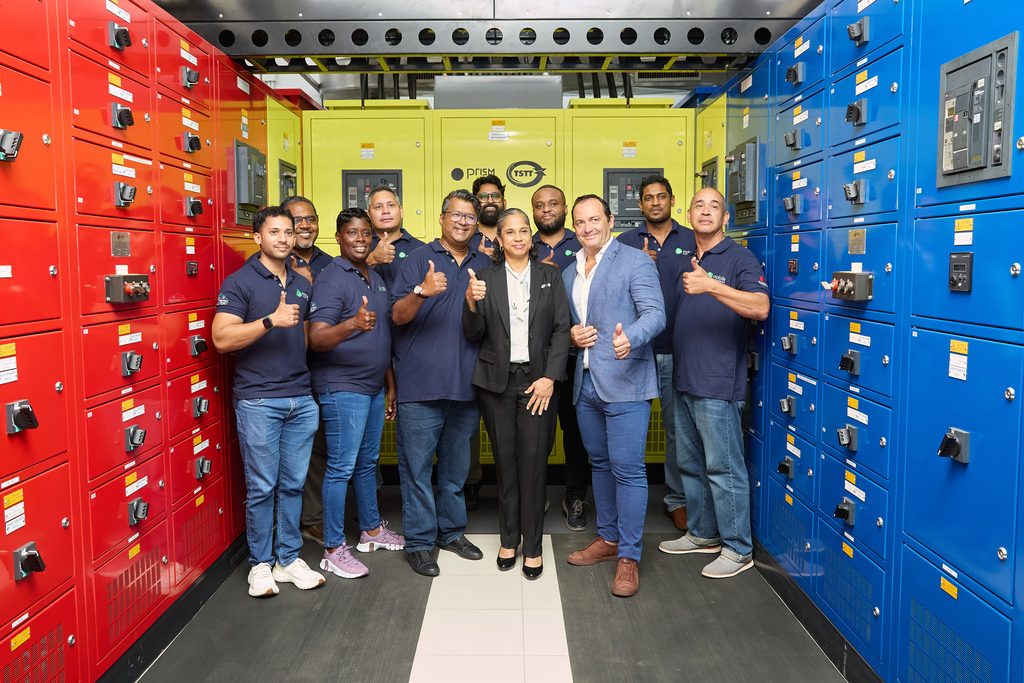
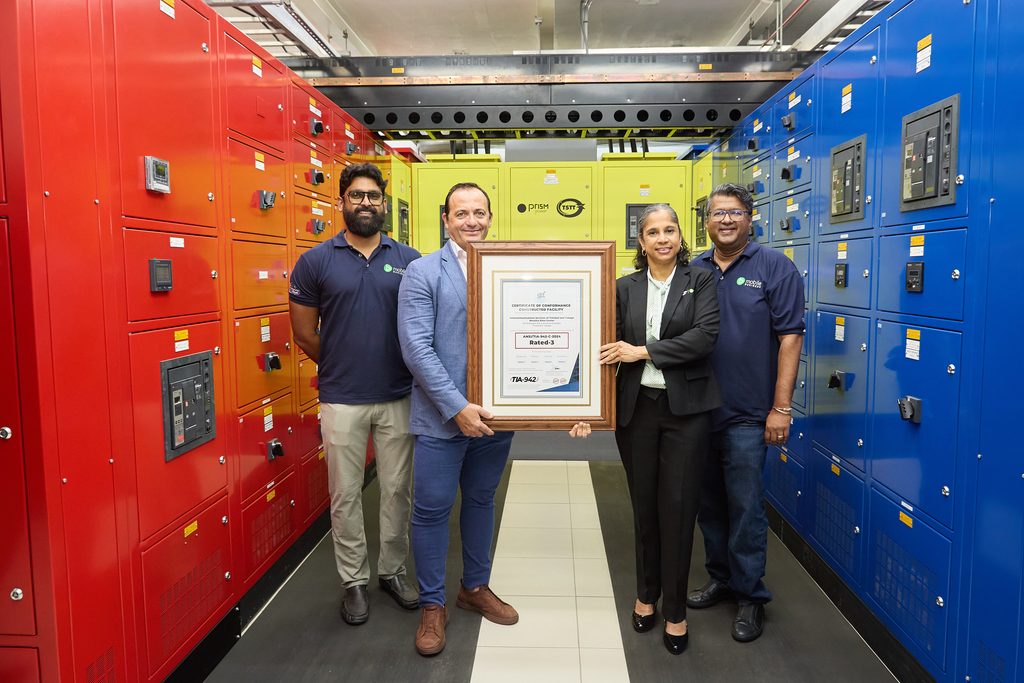
TSTT’s Mausica Data Centre is setting a regional benchmark for the infrastructure businesses depend on, becoming the first in the Caribbean to attain ISO/IEC 22237 certification and the only facility in the region to hold a combination of four certifications spanning infrastructure resilience, operational standards and information security. The achievement places internationally assessed capability within reach of local businesses, strengthening Trinidad and Tobago’s position as a provider of trusted digital services.
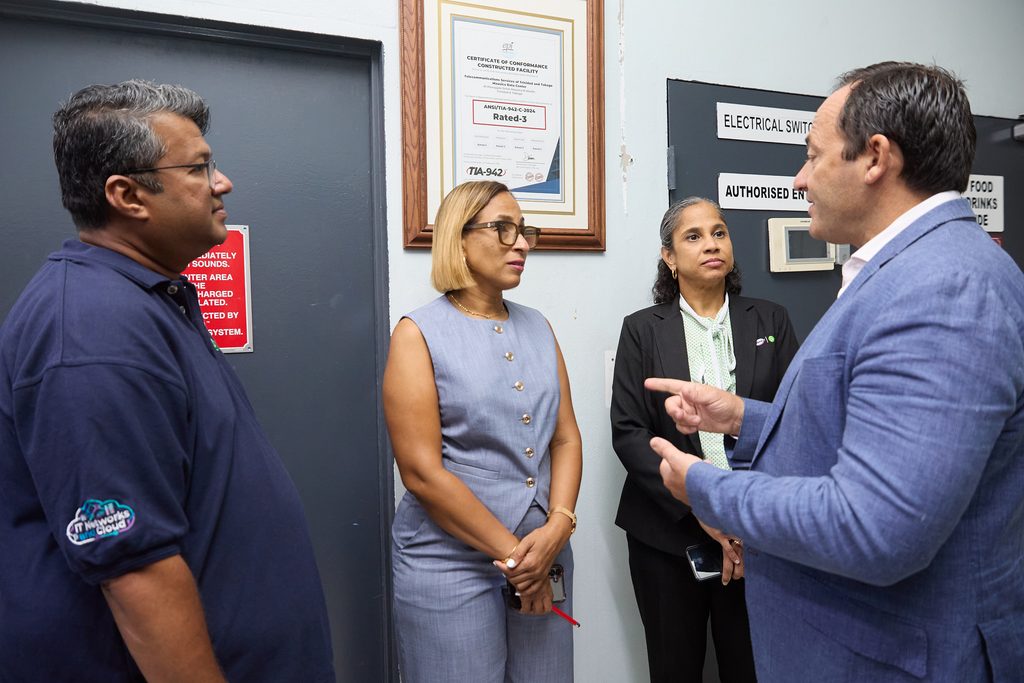
Joseba Calvo, Senior Vice President, EPI LATAM (TUV Nord Group), presented the certifications to TSTT. They comprise ANSI/TIA-942-C Rated-3; ISO/IEC 22237 Availability Class 3 and Protection Class 3; Data Centre Operations Standard (DCOS) Maturity Level 3; and ISO/IEC 27001.
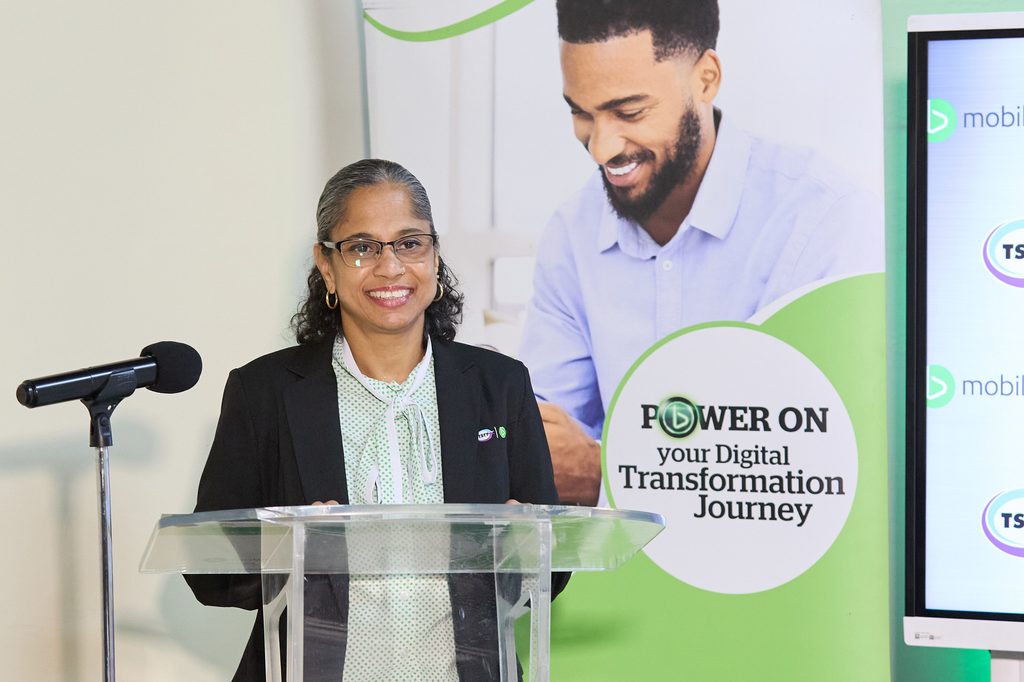
For organisations that depend on digital systems to serve customers, process transactions and access critical records, the significance extends beyond the certificates themselves. Together, they provide independent benchmarks for assessing how the facility is built, how its operations are managed and how information security risks are addressed. The Mausica Data Centre, completed in 2017, supports TSTT’s services and customers, adding these global standards behind infrastructure on which businesses across the region rely. TSTT’s Acting Chief Executive Officer, Reza Hosein, said the achievement speaks directly to the decisions business leaders face when choosing where to place critical systems.
Hosein noted, “When a company entrusts a provider with its business systems, it is also entrusting part of its ability to earn revenue and keep its commitments to customers. Its leadership should be able to ask difficult questions about that provider’s infrastructure and get answers backed by independent assessment.
TSTT has invested in the infrastructure, people and governance needed to give our citizens and businesses access to world-class data centre and cloud services here in Trinidad and Tobago. We see our nation’s data as a strategic asset. Building that capability locally gives customers greater choice over where their information is held and how it is managed, reducing dependence on overseas providers and strengthening our country’s digital sovereignty.”
The ANSI/TIA-942-C Rated-3 certification addresses the resilience of the data centre’s infrastructure. Its central requirement is concurrent maintainability: equipment and distribution components can undergo planned servicing or replacement without interrupting the facility’s ability to support customers’ IT systems. For customers, this reduces the need to choose between essential infrastructure maintenance and keeping their operations available
ISO/IEC 22237 examines the facility across areas including building construction, power distribution, environmental control, telecommunications cabling and security systems. Availability Class 3 likewise requires infrastructure that supports maintenance without disrupting IT operations. Protection Class 3 addresses physical safeguards in the assessed areas, including access restricted to specified individuals, accompaniment for other visitors, fire detection and suppression, and measures to mitigate environmental
threats.
The distinction matters because keeping a service available also depends on protecting the physical environment in which it operates. Customers gain a clearer basis for evaluating both the continuity of the supporting infrastructure and the controls governing access to it.
DCOS Maturity Level 3 focuses on the discipline of day-to-day operations. It recognises standardised, documented processes and procedures within the certified scope. In practical terms, this supports more consistent working practices and reduces dependence on individual knowledge when staff perform operational tasks. It gives customers an additional basis for assessing how the facility is managed after infrastructure has been installed.
The final certification awarded, ISO/IEC 27001, addresses the information security management system within its certified scope. It requires a structured approach to identifying and treating information security risks and continually improving that system. For customers, the practical value is a framework for protecting sensitive information against unauthorised access or alteration while preserving its availability to those who need it.
Taken together, the certifications can support customers’ supplier assessments and business continuity planning, helping their technology and procurement teams examine the standards behind a critical service.
EPI’s Joseba Calvo noted, “The Data Centres have to guarantee resiliency and sustainability to be truly reliable and provide consistent service. TSTT Data Centre is not operating by luck but is being managed in operational excellence with these certifications – TIA-942 C and ISO 22237 geared toward a path of infrastructure readiness, implementation of DCOS and ISO 27001 processes and procedures, and highly trained Data Centre staff. These certifications complement TSTT’s drive to provide world-class Data Centre and Cloud services to the local and regional market.”
Hosein added, “Data sovereignty is essential to safeguarding Trinidad and Tobago’s citizens, businesses, and national interests. Decisions concerning where information is stored, who may access it, and how it is governed carry significant economic and security implications. Building this capability at home will strengthen our ability to make these decisions independently. As the economy becomes increasingly dependent on digital services, Trinidad and Tobago must develop the capacity to protect the information and digital infrastructure that underpin its growth.”