The Central Statistical Office (CSO) is preparing to undertake Trinidad and Tobago’s National Population and Housing Census in 2027, with a national pilot scheduled for 2026. The last census was conducted in 2011, so this exercise is an important step in updating demographic data for the government in planning critical services such as health, education, housing and social protection. The CSO fulfils the statistical and data development mandate of its line ministry, the Ministry of Planning, Economic Affairs and Development.
For the upcoming Census, the CSO is taking a modernised approach to include digital systems, geospatial technologies and inclusive data approaches to guarantee increased accuracy, cost efficiency and the visibility of marginalised populations.
In light of this, the CSO is addressing inclusivity as a priority area ahead of the National Census.
Enhancing participation as part of an inclusive census means incorporating persons with physical and intellectual disabilities in addition to the hearing and visually impaired. This ensures the 2027 Census accurately reflects Trinidad and Tobago’s diverse population and provides targeted attention to persons with disabilities and migrant communities, including Venezuelan migrants. Without deliberate inclusion measures, these populations risk being undercounted, which undermines evidence-based policymaking and equitable resource allocation.
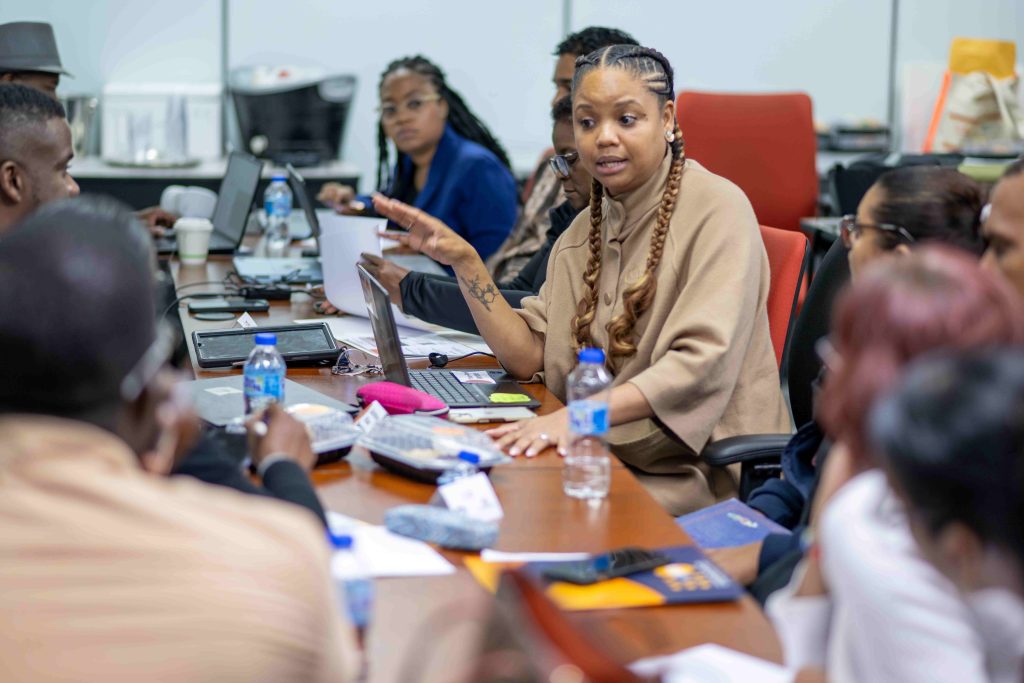
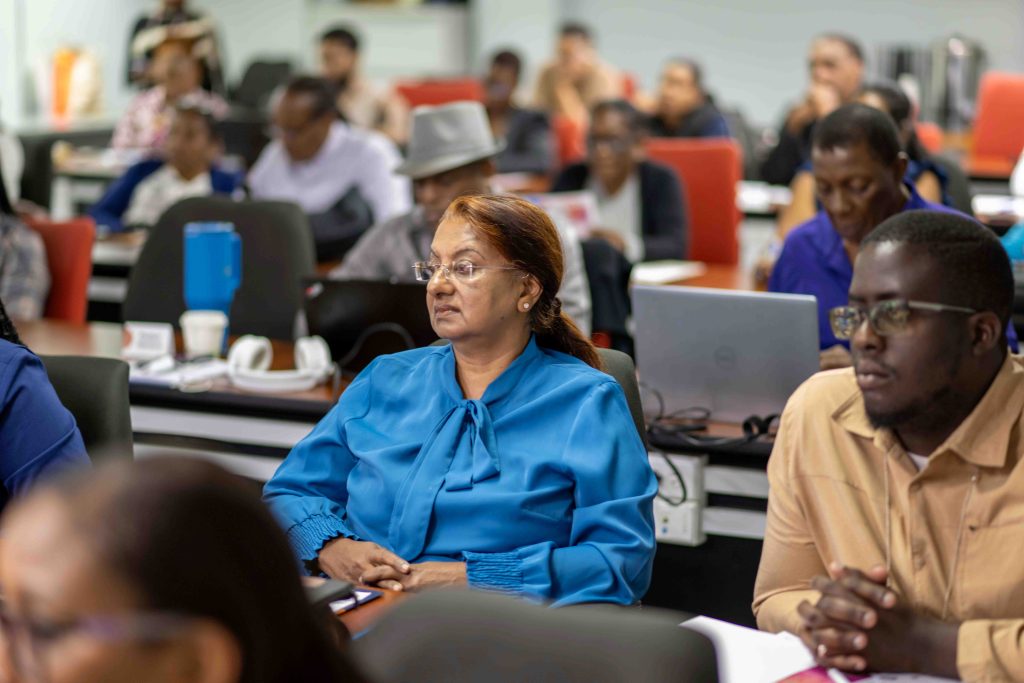
To support this priority, the Central Statistical Office collaborated with the United Nations Population Fund (UNFPA) to conduct a census stakeholder consultation to strengthen disability-inclusive and migrant-sensitive approaches to the National Population and Housing Census. This included representatives from the CSO and the Ministry of Planning, Economic Affairs and Development; civil society organisations; youth organisations; organisations representing persons with disabilities as well as national organisations working with migrant populations.
Speaking to the participants of the workshop, the Ministry of Planning’s Deputy Permanent Secretary Candice Ramsaran stated that the upcoming Census will provide the Government of Trinidad and Tobago with a modern and comprehensive picture of our population, enabling better planning and more efficient allocation of national resources. More importantly, it will help ensure that public investments are directed where they are needed most and that no community is left behind.
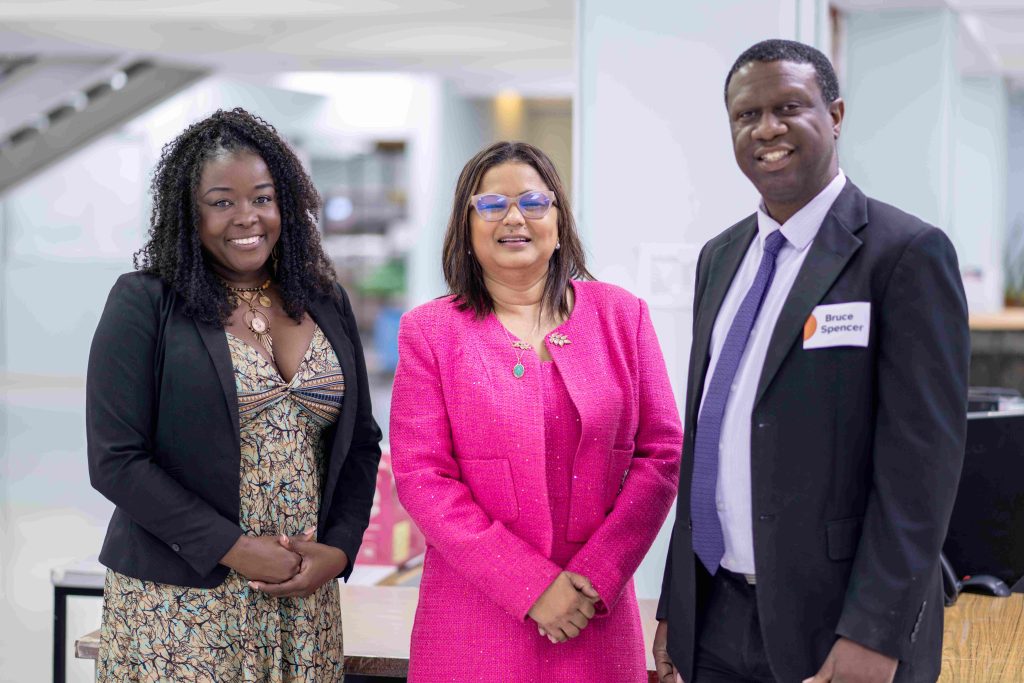
Mr. Bruce Spencer, Director of Statistics, made a plea to the field supervisors, stating that as future Census field supervisors they hold the responsibility in the collection of data which is used by nationals and international data users for multiple years into the future. Since this data will one day be counted on as historic data, the consideration of migrants and persons with disabilities that currently exists will render the invisible into visibility.
UNFPA Deputy Director, Jenny Karlsen reminded participants that the workshop is important for inclusion, equity, trust and human rights. Especially knowing that disabilities are often underreported, particularly among persons with psychosocial, intellectual, developmental or less visible disabilities. The Deputy Director emphasised that the information shared at this workshop is important to help understand and deal with the fact that migrants, especially those facing language barriers, mobility challenges or concerns about their status, may be hesitant to participate in data collection exercises.
Planning, Economic Affairs and Development Minister Kennedy Swaratsingh added that evidence-based decision making is valuable for the government to ensure that essential services and programmes are delivered effectively for the benefit of all. According to the Minister, “The upcoming National Population and Housing Census is one of the most valuable sources of public data and the work being done by the CSO and the UNFPA to modernise the census and include all sectors of society is vital to the national development of Trinidad and Tobago.”
The CSO will lead implementation and incorporate lessons learned from this workshop into the ongoing census pilot planning. In addition, inclusive methodologies developed can serve as scalable models for application across other national surveys being undertaken by the Statistical Office.